

One thing I realized while working on my stakeholder personas is that good communication is not just about having a good message. You also have to know who you are talking to. In everyday life, I would not explain something to my best friend the exact same way I would explain it to a professor or a parent. The information might be similar, but the way I communicate it would probably change depending on the person. I think public relations works the same way.
For my OU Admissions and Recruitment project, I created two personas who are connected to the same decision but look at it from completely different perspectives. Tori is a first-generation prospective college student, while Blaire is her mom. They both want Tori to find the right college, but what they need to hear from OU is not exactly the same.
Who Are We Actually Trying to Reach?
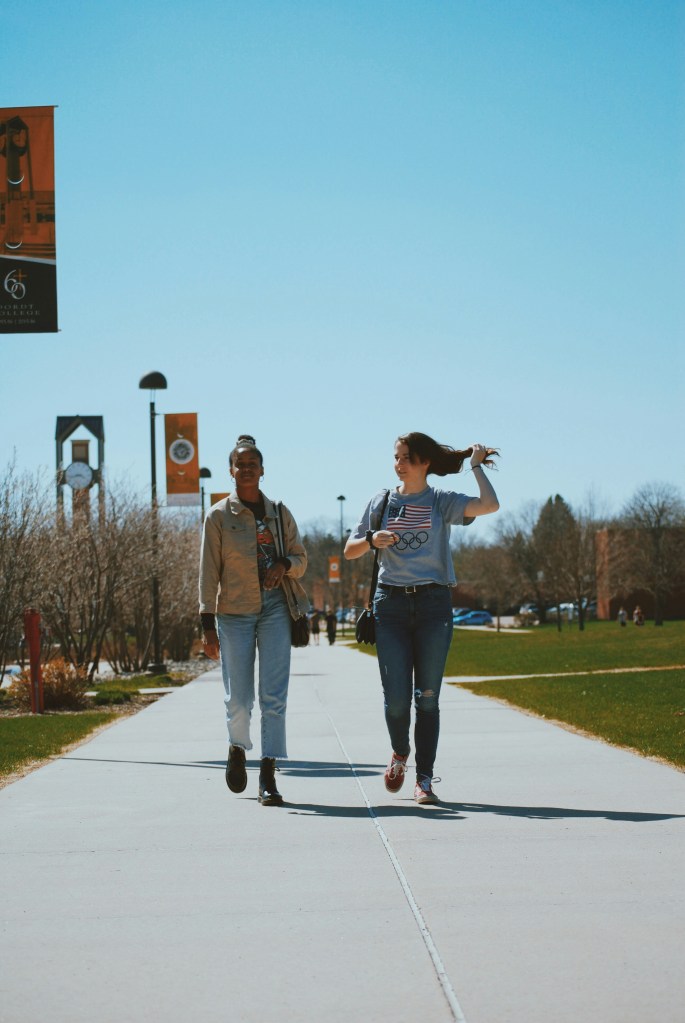
Before this project, I think it was easy for me to think of an audience as one large group. For example, OU Admissions is obviously trying to reach prospective students. But once I started thinking more specifically about who those students are, I realized how different people within that audience can be.
Tori is not just a “prospective student.” She would be the first person in her immediate family to attend a four-year university. She is excited about college but also overwhelmed by parts of the process. She wants to understand scholarships and financial aid, find a major she likes and feel like she belongs at the university she chooses.
Knowing those details gives me much more direction than simply knowing I am creating something for a high school student. It tells me what information should stand out and what could actually motivate her to take the next step.
Research Gives You the Details
This is where research becomes so important. Creating a persona should not just be making up a random person who seems like they could fit the audience. You have to understand the real stakeholder first.
For this project, I looked at how OU Admissions communicates with prospective students and families, including its admissions information, campus visits, virtual resources and resources for parents. I also thought about the questions and concerns each stakeholder could have during the college decision process. Our research showed that students may need help understanding things like applications, scholarships, housing and enrollment, while parents may have additional concerns about affordability, resources and their student’s transition to college.
The more you know about an audience’s motivations, behaviors, goals and concerns, the easier it becomes to create communication that actually has a purpose.
The Same Design Will Not Work for Everyone
The part I found most interesting is how much audience research can influence design. Tori and Blaire are both involved in the same college decision, but I would not create the exact same piece for both of them.
For Tori, I would want something visual and encouraging that makes OU feel exciting and achievable. Her communication should show real students and make the next step feel simple. Blaire’s communication should feel more practical and informative. She wants clear information about costs, financial aid and resources because those are some of the things that will help her feel comfortable supporting Tori’s decision.

Even things like the photo I choose, the amount of text I include and the information I make most noticeable can affect how someone responds to a design. This also connects back to what I learned about the importance of typography earlier in the semester, design choices should have a reason behind them. Something can look good but still not communicate effectively to the person it was created for.
It Comes Back to Knowing People
The biggest thing I took away from this project is that targeting an audience makes communication feel more human. Instead of trying to speak to everyone at once, you are thinking about a real person’s questions, concerns and motivations.
Tori and Blaire ultimately want the same thing: for Tori to make a good college decision. But getting each of them there requires a different approach. Knowing that before I start writing or designing makes it much easier to decide what the message should say and what I want the audience to do next.
For me, that is what good targeting comes down to. Know who you are talking to before deciding what you want to say.


Leave a Reply